This business serves a variety of industrial sectors, including industrial equipment, machinery agricultural, construction, railway, energy, transportation, and material handling.
Manual welding: flexibility and operational expertise
Manual welding handles a variety of parts, small series, specific assemblies or configurations that require the direct involvement of a qualified welder.
It is suitable for production runs whose geometry, size, or complexity require a flexible approach. It relies on the operators’ experience, mastery of the processes, and adherence to the requirements specified in the drawings.
At Oxymetal, w manual welding ing is primarily performed using MIG/MAG processes, depending on the materials, thicknesses, and desired characteristics of the joint.
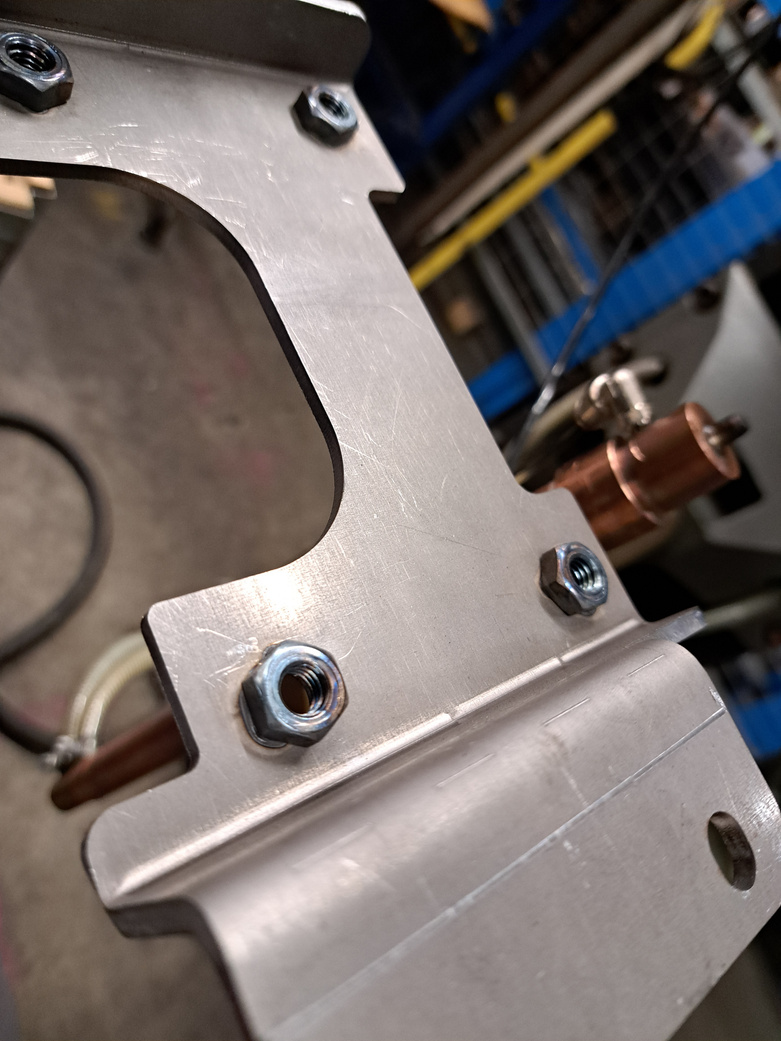
Spot Welding: Resistance Welding
Spot welding, or SPP, is used to join metal parts through electrical resistance. It allows for localized joints, generally without adding filler metal, by applying pressure and controlled heating to the areas to be joined.
This technique is particularly well-suited for certain sheet metal parts or repetitive assemblies that require precise and evenly spaced fastening points.
It complements the other welding processes offered by Oxymetal, depending on the product’s characteristics, assembly constraints, and production requirements.
Robotic welding: repeatability for serial production
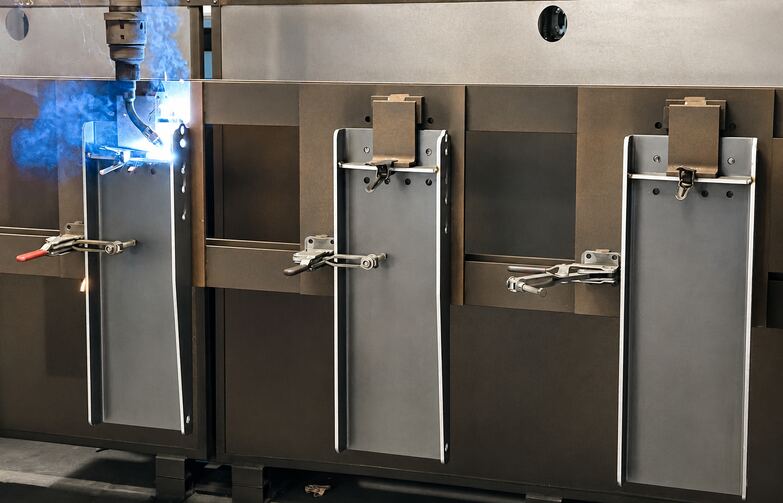
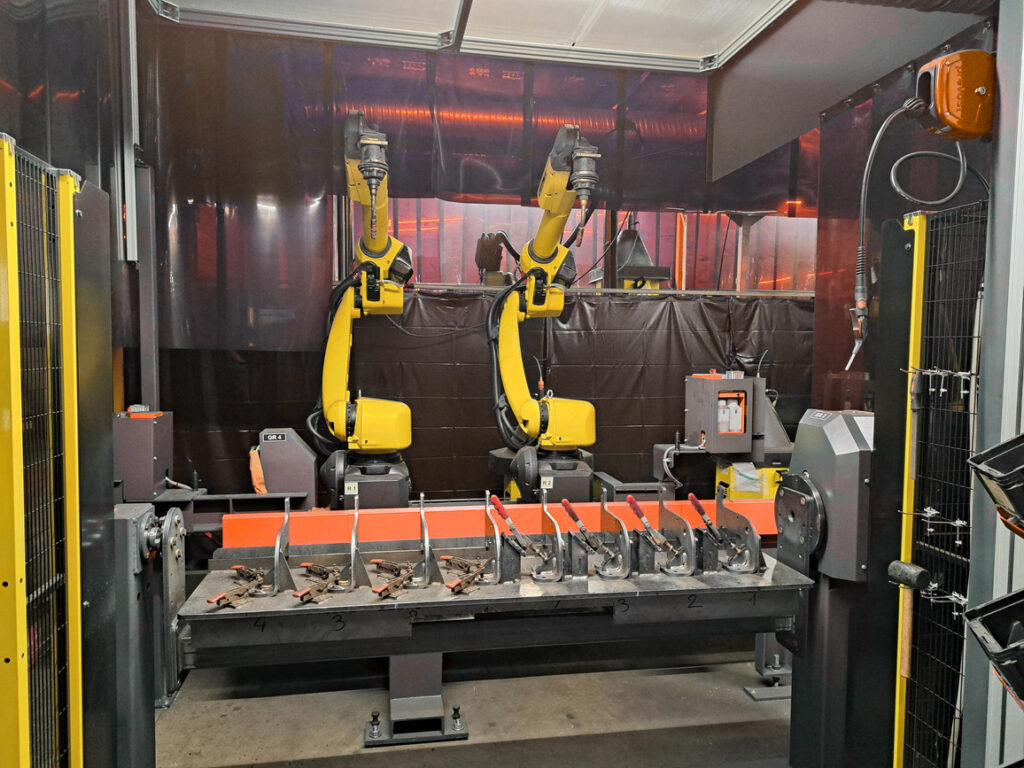
Oxymetal operates three “ welding robots ” facilities within the Group. The “ robotic welding ” is particularly well-suited for recurring production runs, series production, and assemblies that require a high degree of repeatability.
The use of robots helps stabilize the welding motion, control the trajectories, and reproduce operations under consistent conditions. It is part of an industrial organization tailored to production volumes, production rates, and quality consistency requirements.
This robotic capability complements our manual welding capabilities and allows us to tailor the choice of process to the specific requirements of each project.
ISO 3834-3: A Quality Framework for Welding Operations
Oxymetal holds ISO 3834-3 certification at two of its industrial sites: Oxymetal Est and Oxymetal Sud-Ouest. This international standard defines the quality requirements applicable to the fusion welding of metallic materials.
It attests to control of the welding process within a structured framework: welder qualification, formalized procedures, appropriate inspections, traceability of operations and a dedicated quality organization.
For our customers, this certification serves as a safeguard for mechanically welded products. It helps ensure the compliance of assemblies, the repeatability of operations, and the availability of necessary documentation in demanding industrial environments.
Expertise Integrated into the Manufacturing Process
Metal fabrication is an integral part of Oxymetal’s overall process, from component cutting to additional operations such as bending, CNC machining, finishing, inspection, and packaging.
This organizational structure makes it possible to coordinate the various stages of manufacturing, track completed operations, and ensure the necessary traceability in accordance with the requirements defined with the customer.
Metal fabrication is thus a complementary part of Oxymetal’s offer, for the production of metal parts and subassemblies that combine several industrial operations.
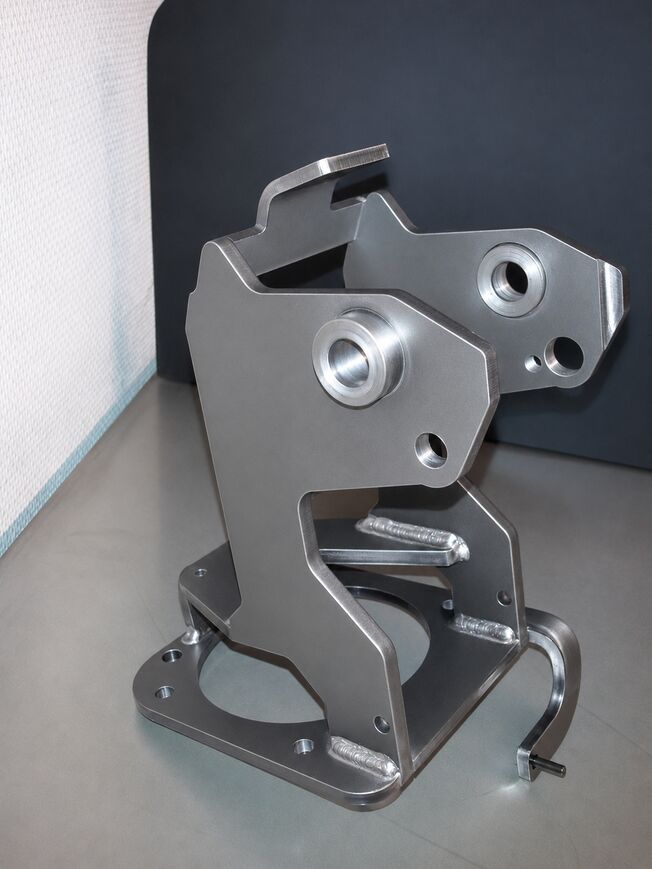
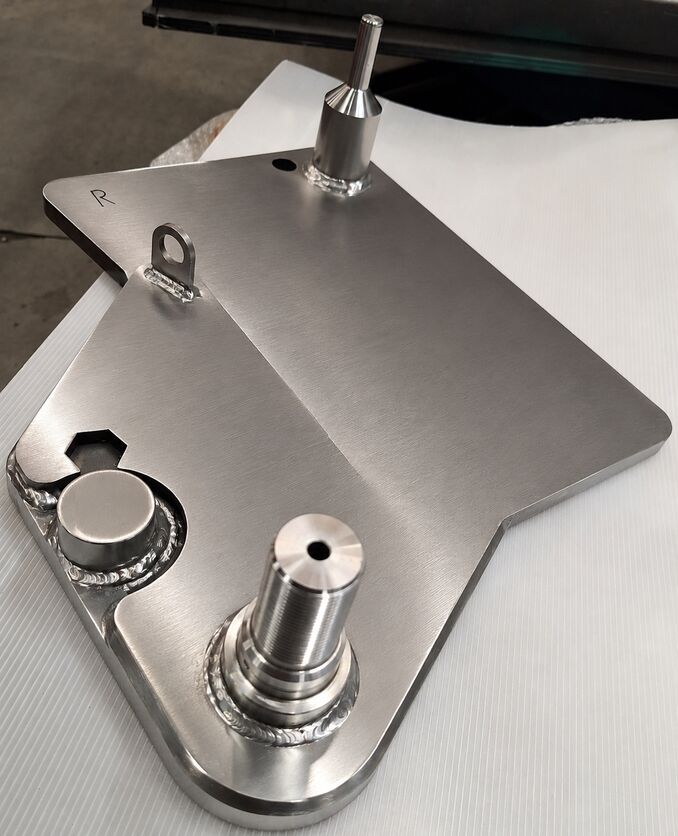
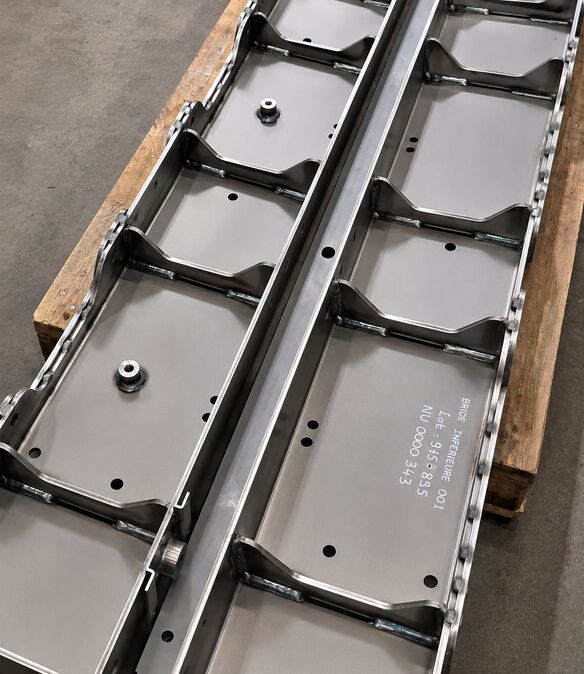
Welding: a few illustrations