
Commitments
In many industrial settings, a part’s compliance alone is not enough. It must be verifiable, documented, and traceable at every stage of the manufacturing process.
Traceability makes it possible to link a delivered part or batch to essential production information: materials used, work order, operations performed, production date, relevant site, and associated documents. It is an important component of quality control, particularly for industries subject to stringent technical, regulatory, or documentation requirements.
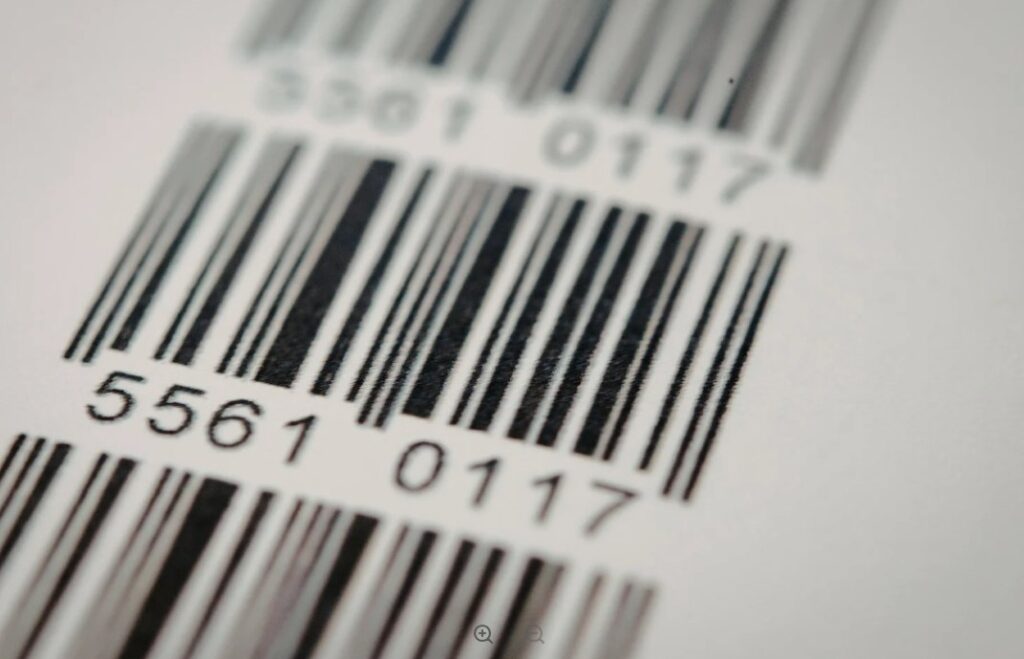
At Oxymetal, traceability is systematically tracked from material procurement through to customer delivery. Each batch of material is identified upon receipt, recorded in the ERP system, and linked to the available material certificates.
During the manufacturing process, material usage is linked to work orders. Work-in-progress and finished goods are identified so that parts can be tracked on the shop floor and then associated with pallets, packages, or delivery slips.
This system makes it possible, after delivery, to retrieve traceability information based on details such as the finished product’s lot number, the item, the production order number, the delivery note, or the sales order.
Oxymetal's traceability system makes it possible to identify the material(s) used in a given production run. It can also be used to trace the material back to the pour number, which is a key piece of information regarding the sheet metal's origin.
When required, a 3.1 material certificate can be provided. This document compiles the inspection data for the material, including chemical and mechanical analyses.
These elements help document material compliance and facilitate the quality controls, audits, or reviews requested by customers.
The level of traceability may vary depending on the requirements specified at the time of the order, the industry, or the criticality of the parts produced.
For most production runs, traceability is organized at the work order and batch levels. In the most demanding environments, such as the nuclear or aerospace industries, it can be enhanced upon request, up to the level of individual parts.
This adaptability makes it possible to meet the documentation needs of various industrial sectors while maintaining an organizational structure that is consistent with production processes.
Traceability helps ensure compliance, safeguard production, and prepare for audits. It allows us to document the operations performed, identify material information, and have the necessary data available in the event of an analysis or a customer request.
In industry, trust also depends on the ability to provide evidence. Traceability is one of the tools that makes it possible to link actual production to defined requirements.